AHEDIS at the European Health ForumGastein 2026: Advancing Cross-BorderHealthcare Cooperation
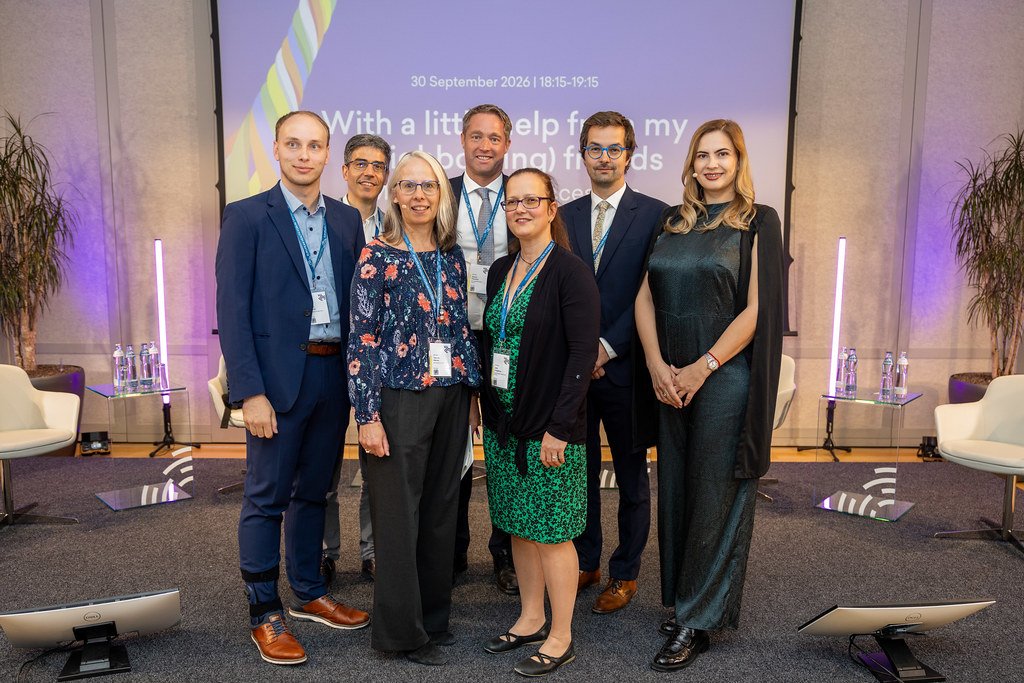
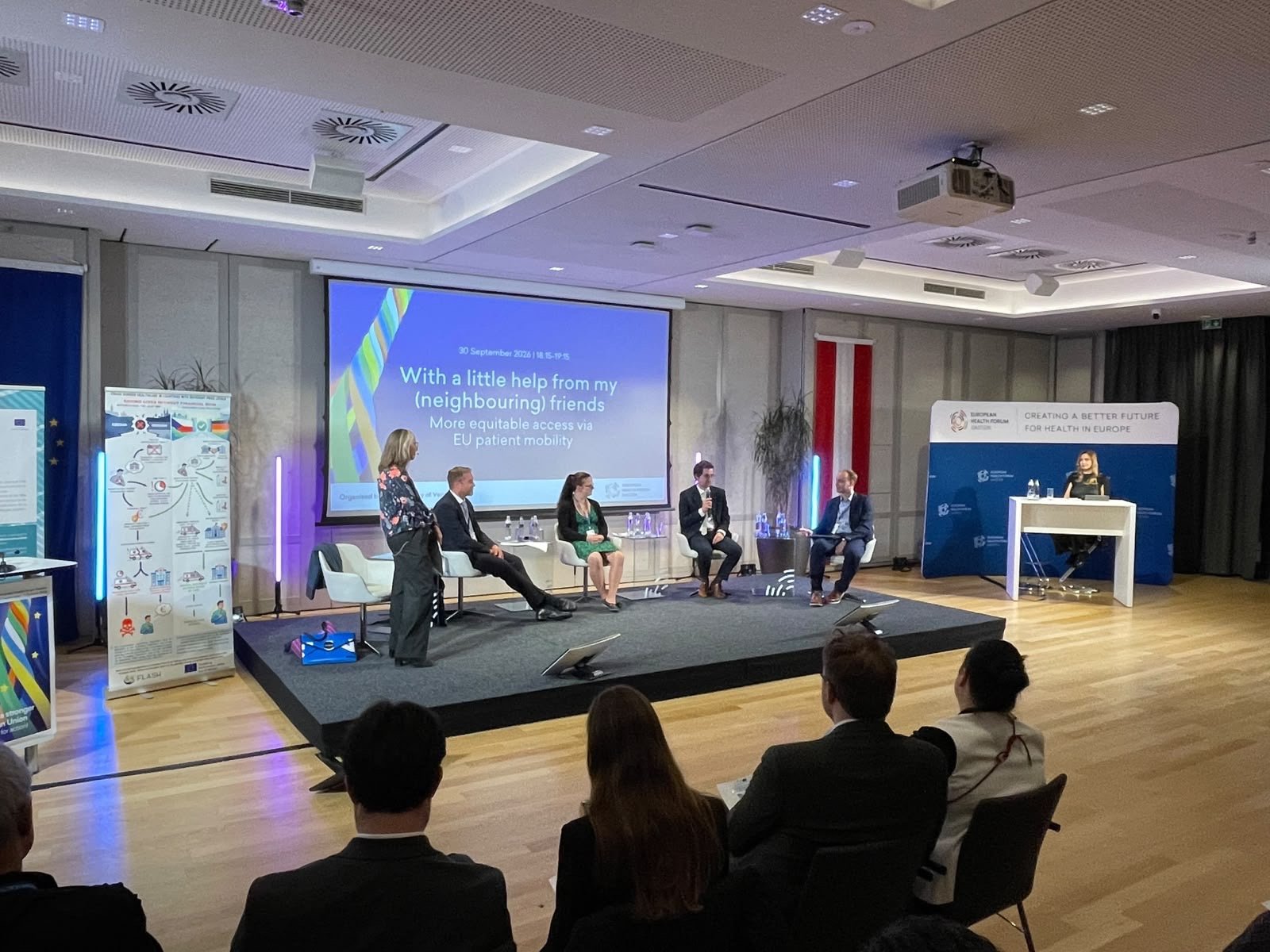
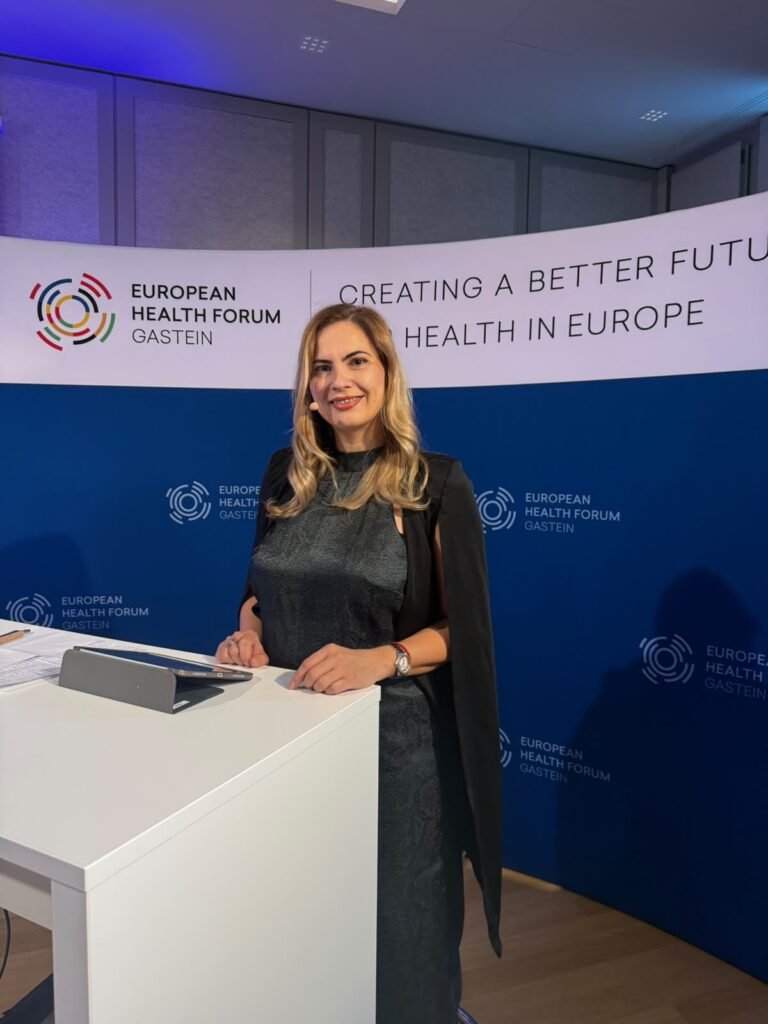
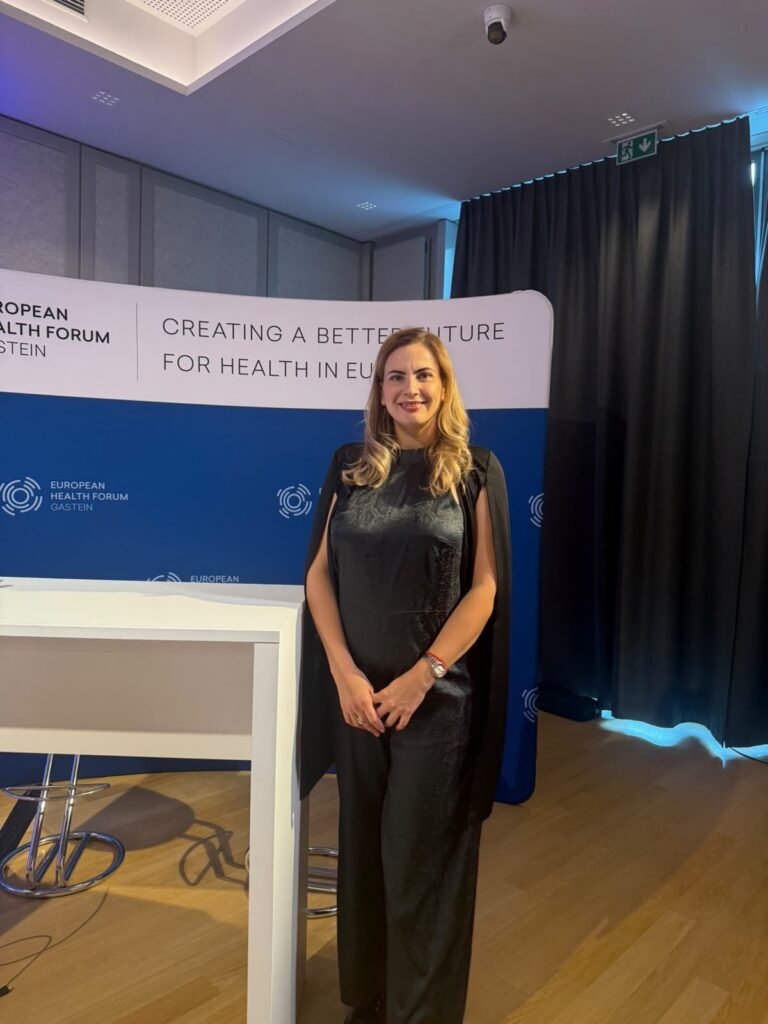
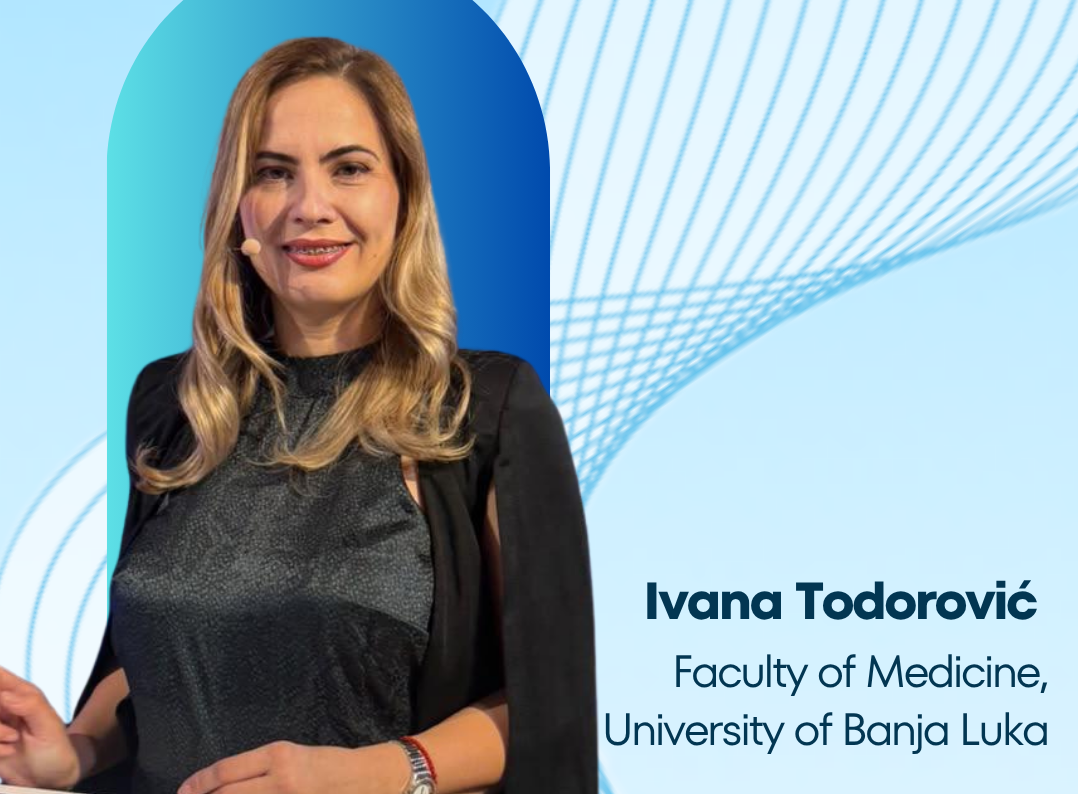
We are proud to share the participation of Ivana Todorović from the Faculty of Medicine, University of Banja Luka, a member of the AHEDIS project team, in the discussions at the European Health Forum Gastein 2026. In her role within the Young Forum Gastein NewsDesk, Ivana contributed to the FLASH project session, bringing valuable perspectives and actively engaging in discussions on current priorities and developments in European health. Representing the perspective of Bosnia and Herzegovina as an EU candidate country, Ivana contributed to a valuable discussion on equitable access to healthcare for people living in border regions. The exchange highlighted the challenges faced by communities whose access to healthcare may be limited by administrative, geographical and institutional barriers, despite their proximity to healthcare services in neighbouring countries. Drawing on her experience within both LIFEGATE and AHEDIS, Ivana highlighted the importance of cooperation between institutions and the exchange of knowledge, expertise and technology. Both initiatives contribute to addressing different but interconnected challenges within healthcare systems, demonstrating how collaborative approaches can
support more accessible, inclusive and effective healthcare. While LIFEGATE works to improve access to early detection and specialised care in border areas, AHEDIS focuses on strengthening digital skills and education among healthcare professionals. Through these complementary approaches, both initiatives
recognise the importance of developing healthcare systems that respond to the evolving needs of patients and professionals. Digital competencies, continuous professional development and knowledge exchange are increasingly important for improving healthcare delivery and supporting innovation across Europe. The discussion also highlighted how geographical proximity does not always guarantee access to healthcare. People living in border regions may still encounter difficulties in accessing timely diagnoses, specialised treatments or appropriate medical services across national boundaries. Effective cooperation, clear referral mechanisms, sustainable financing arrangements and the exchange of expertise are therefore essential for making healthcare more accessible across borders. These challenges also underline the importance of investing in healthcare professionals and equipping them with the knowledge and digital competencies needed to navigate an increasingly interconnected healthcare environment. Strengthening professional capacities and fostering collaboration between institutions can help bridge existing gaps, improve the
exchange of information and contribute to more coordinated healthcare services. The participation of representatives from Bosnia and Herzegovina in European-level discussions is particularly valuable, as it brings the experiences and perspectives of an EU candidate country into broader conversations about healthcare accessibility, cooperation and innovation. Sharing these experiences helps highlight the specific challenges faced by border communities while creating opportunities to identify common priorities and potential
solutions. We are pleased that AHEDIS is represented in these important European discussions and that the experiences of healthcare professionals from Bosnia and Herzegovina are contributing to the wider conversation on the future of healthcare. Ivana’s participation also reflects the importance of connecting European initiatives, exchanging knowledge across projects and ensuring that the perspectives of different healthcare systems are considered when shaping future approaches to healthcare. Thank you to Ivana and all the speakers for contributing to this important discussion and for highlighting the role of collaboration in building a more accessible and connected European
healthcare system.